
4mm clear float glass
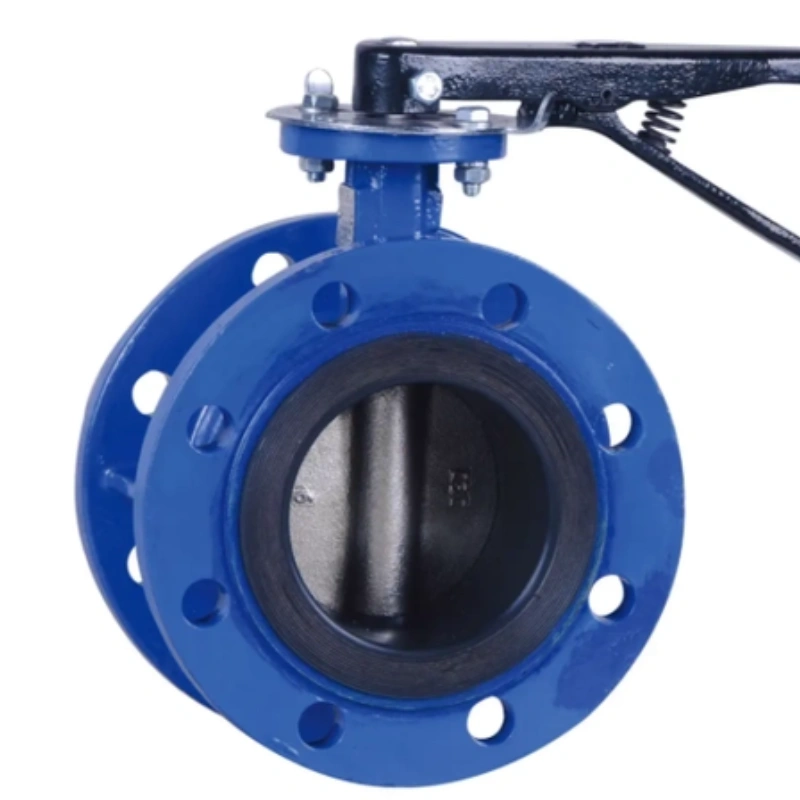
Understanding Heavy Duty Check Valves Importance and Applications In the world of fluid dynamics, check valves play a crucial role in ensuring the safe and efficient operation of various systems. Among them, heavy-duty check valves are designed to withstand the most demanding environments, making them indispensable in industries such as oil and gas, water treatment, and chemical processing. What is a Heavy Duty Check Valve? A heavy-duty check valve is a mechanical device that allows fluid to flow in one direction while preventing backflow. This is achieved through a simple mechanism that consists of a movable disk or ball which is pushed open by the forward flow and closes when the flow reverses. Unlike standard check valves, heavy-duty versions are constructed from robust materials, allowing them to handle high pressures, corrosive fluids, and extreme temperatures. Key Features and Materials The design of heavy-duty check valves often incorporates high-strength materials such as stainless steel, cast iron, or other alloys, ensuring longevity and dependability under tough operating conditions. Key features typically include - Robust Construction Designed to withstand high pressures and harsh conditions. - Corrosion Resistance Materials used are often resistant to various chemicals, ensuring durability. - Large Flow Capacity Engineered for greater flow rates, making them suitable for industrial applications. - Security and Safety Equipped with features that minimize the risk of leaks or failures. Applications of Heavy Duty Check Valves 1. Oil and Gas Industry Heavy-duty check valves are essential in preventing backflow in pipelines and ensuring the efficient passage of crude oil or natural gas. They are often used in refineries and offshore platforms, where reliability is critical. 2. Water Treatment Plants In water treatment, these valves prevent contaminated water from flowing back into clean water supplies, thereby maintaining the integrity of the water supply and public health. heavy duty check valve 3. Chemical Processing The chemical industry regularly utilizes heavy-duty check valves to handle various corrosive substances safely, ensuring that chemicals flow in the desired direction without risking backflow that could lead to dangerous reactions. 4. Manufacturing Heavy-duty check valves are vital in numerous manufacturing processes involving liquids, such as food and beverage processing, where hygiene and quality control are paramount. 5. HVAC Systems In heating and cooling systems, they help maintain proper flow direction, contributing to energy efficiency and system effectiveness. Advantages of Heavy Duty Check Valves Utilizing heavy-duty check valves offers several advantages - Reliability Their sturdy design reduces the likelihood of failure, which is particularly important in critical applications. - Cost-Effectiveness By preventing backflow and system damage, these valves can minimize maintenance costs and downtime. - Versatility Suitable for a broad range of applications across various industries. - Enhanced Safety By preventing backflow, they contribute to a safer working environment, averting potential disasters. Conclusion Heavy-duty check valves are a vital component in numerous industrial systems, ensuring the smooth operation of fluid transport while preventing the backflow of substances that could lead to catastrophic failures. Their robust design, high reliability, and versatility across various applications render them indispensable in today's industrial landscape. As industries continue to evolve and demand greater efficiency, the role of heavy-duty check valves will remain crucial, paving the way for innovations that enhance their performance and longevity. By investing in high-quality heavy-duty check valves, companies can ensure not only the optimal performance of their systems but also uphold safety standards that protect both their operations and personnel. In this ever-evolving technological age, understanding and utilizing these critical components can lead to improved operational success and safety in fluid management systems.
about
4mm clear float glass
L'ouverture d'une vanne d'eau est un acte fondamental dans de nombreux systèmes hydrauliques et industriels. Qu'il s'agisse d'un réseau d'approvisionnement en eau, d'un système d'irrigation agricole ou de processus industriels, la gestion de l'eau est essentielle pour garantir une utilisation efficace et responsable de cette ressource précieuse. . Dans un contexte industriel, l'ouverture d'une vanne peut être liée à divers processus, notamment le refroidissement des machines ou la dilution de produits chimiques. Chaque situation exige une attention particulière afin de garantir que la vanne est ouverte au bon moment et dans les bonnes conditions. Une gestion inadéquate peut entraîner des pertes d'eau, des dégâts matériels ou même des accidents. open water valve De plus, la technologie moderne a largement amélioré le contrôle des vannes. Les vannes automatiques ou à distance, par exemple, permettent une gestion plus précise et efficace du flux d'eau. Cela représente un avantage considérable, en particulier dans des systèmes complexes où la surveillance manuelle peut être difficile. Grâce à des capteurs et des dispositifs de contrôle intelligents, il est désormais possible de régler l'ouverture d'une vanne en fonction de la demande en eau, minimisant ainsi le gaspillage. Un des aspects souvent négligés lors de l'ouverture d'une vanne est la nécessité de maintenir le système en bon état. Des inspections régulières doivent être effectuées pour s'assurer que les vannes fonctionnent correctement et qu'il n'y a pas de fuites. Les vannes usées ou endommagées peuvent causer des problèmes significatifs, allant de pertes d'eau conséquentes à des dégâts matériels coûteux. En conclusion, l'acte aussi simple que l'ouverture d'une vanne d'eau est au cœur de la gestion de l'eau dans nos sociétés modernes. Que ce soit dans un contexte agricole, industriel ou domestique, comprendre les implications de cette action est essentiel pour maximiser l'efficacité tout en minimisant l'impact environnemental. En intégrant des technologies de contrôle avancées et en assurant une maintenance régulière, nous pouvons garantir que nos ressources en eau sont utilisées de manière optimale et durable.
-

High quality industrial productsagement

High quality industrial products
View Details -

Meet the diverse needs of customers

Meet the diverse needs of customers
View Details -

Strict quality control

Strict quality control
View Details -

Top raw materials

Top raw materials
View Details -

Trusted supplier

Trusted supplier
View Details
Our application


news and information
Water Percentage Cut-Off Valve for Efficient Flow Control Systems
Understanding Water Cut-Off Valves An Essential Component in Fluid Management Water cut-off valves a

Valve Automation_ Benefits of Motorized Control Systems
In today’s rapidly evolving industrial landscape, automation has become synonymous with efficiency,

Valve de 10 pouces
Les vannes à papillon de 10 pouces jouent un rôle crucial dans la gestion des fluides dans divers sy
 English